
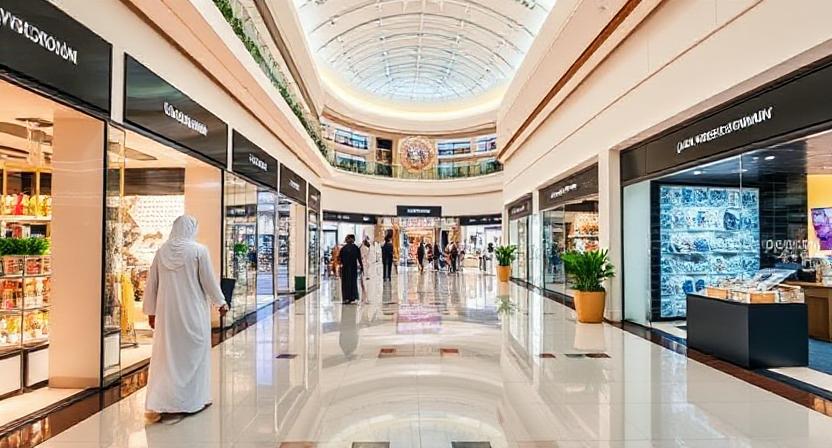

The traditional brick-and-mortar retail sector has experienced unprecedented disruption over the past decade. Rapid e-commerce adoption, fluctuating consumer sentiment, supply chain volatility, and the rise of recommerce have forced brands to rethink physical store formats. Yet, amidst the shuttering of enclosed suburban shopping malls and the contraction of conventional department stores, one physical retail model continues to display remarkable resilience: the outlet store.
Originally designed as remote clearance centers for surplus inventory and factory seconds, outlet centers have transformed into sophisticated shopping destinations. Today, they represent vital profit drivers and customer acquisition engines for luxury, athletic, and contemporary lifestyle brands. However, the modern retail environment presents fresh challenges. Value-conscious shoppers now carry smartphones that allow instant price comparisons, while online off-price marketplaces compete directly for markdown dollars. To maintain relevance and sustain foot traffic, outlet stores are actively redefining their value proposition, operational structure, and architectural presence.
From Surplus Depots to Strategic Merchandising Hubs
The fundamental economics of outlet retail have shifted dramatically over the past two decades. In the infancy of factory outlets, inventory consisted almost entirely of past-season overstock, irregular production runs, and canceled wholesale orders. While this authentic liquidation model delighted bargain hunters, it suffered from inconsistent supply and unpredictable sizing.
As consumer demand grew, relying solely on excess inventory became mathematically impossible for expanding retail chains. This operational bottleneck led to the emergence of dedicated outlet production lines, commonly known as made-for-outlet merchandise. Today, manufactured-for-outlet goods represent the overwhelming majority of apparel and accessories sold in outlet centers.
-
Targeted Design and Production: Brands engineer specific product lines tailored to the outlet consumer. Design teams alter textile compositions, simplify trim details, and use streamlined hardware to hit precise margin targets while maintaining aesthetic brand codes.
-
Controlled Value Perceptions: Rather than devaluing core flagship products through permanent discounting, brands segment their collections. A high-end coat sold in an urban flagship remains exclusive, while an accessible interpretation satisfies price-sensitive shoppers at the outlet center.
-
Agile Inventory Balancing: While made-for-outlet goods anchor standard floor sets, the modern outlet format still acts as a shock absorber for macro-level supply chain disruptions. Brands route excess wholesale inventory into outlets during down cycles, giving companies agile inventory control without eroding full-price brand equity.
Experiential Placemaking and Retail Tourism
Historically, outlet centers were built far outside metropolitan limits. This geographic separation was intentional; full-price department stores demanded geographical buffers to prevent discount stores from cannibalizing core urban sales. Consequently, a trip to an outlet mall required a deliberate, multi-hour excursion.
Modern developers have embraced this destination dynamic, turning standard strip malls into open-air lifestyle villages that combine retail with entertainment, dining, and hospitality.
-
Open-Air Pedestrian Villages: New-generation outlet centers mirror European village architecture, featuring walkable plazas, landscaped greens, splash pads, and pet-friendly outdoor seating. This pedestrian-friendly layout offers an open atmosphere that enclosed regional malls cannot replicate.
-
Elevated Food and Beverage Offerings: The era of greasy food-court dining is giving way to chef-driven casual restaurants, craft breweries, artisanal coffee roasters, and local food truck rallies. Developers use high-end dining as an anchor to increase dwell time, knowing that visitors who stay longer spend more per trip.
-
International and Regional Tourism Partnerships: Prominent outlet operators coordinate directly with travel agencies, airport shuttles, and luxury tour operators. Many outlet villages now provide VIP lounges, multilingual concierges, currency exchange desks, and luggage holding services to capture domestic day-trippers and international shopping tourists.
By turning discount shopping into a full-day leisure event, outlet operators insulate themselves from the purely transactional nature of online discount sites.
Omnichannel Integration and the Digital Outlet
For years, outlet centers were treated as isolated offline islands. Retailers feared that listing outlet prices online would cannibalize full-price digital sales and undermine brand prestige. However, changing consumer expectations have made pure offline isolation obsolete.
Forward-thinking brands are linking their outlet real estate into broader omnichannel networks.
-
Click-and-Collect and Reverse Logistics: Outlets are increasingly serving as fulfillment nodes. Customers can purchase clearance items online and pick them up at regional outlet stores, or use outlet locations to return online purchases. This practice reduces return shipping costs for retailers while driving in-person store traffic.
-
Geofenced Digital Promotions: Brands leverage mobile app notifications to engage shoppers the moment they step onto an outlet property. Push notifications deliver flash discounts, loyalty point multipliers, and digital maps, blending physical exploration with digital incentives.
-
Dedicated Online Outlet Portals: Rather than hiding discounted goods in secondary tabs, brands frequently build gated digital outlet shops reserved for loyalty members. These portals clear surplus rapidly while providing clear distinctions between full-price collections and promotional tiers.
The Resale Revolution and Circular Retail
The exponential growth of the circular economy is presenting both competition and opportunity for the outlet sector. Consumers, particularly younger generations, routinely turn to digital secondhand marketplaces and vintage thrifting for value-oriented, sustainable shopping.
Rather than viewing the resale boom as an existential threat, innovative outlet operators and retailers are absorbing circular business models directly into their physical footprints.
-
Brand-Owned Take-Back Hubs: Outlet locations increasingly host garment drop-off bins, rewarding consumers with shopping credits in exchange for gently used apparel. These items are inspected, repaired, and either resold in specialized refurbished sections or routed into industrial recycling programs.
-
On-Site Customization and Repair: Select athletic and denim outlets have introduced tailoring bars, sneaker cleaning stations, and repair workshops within their stores. These additions transform the outlet from a simple point of purchase into a community resource for garment care.
-
Pre-Loved Sections: High-end brands are beginning to pilot verified pre-owned sections inside their outlet footprint, giving luxury shoppers access to authenticated archival collections alongside seasonal outlet products.
The Evolution of Brand Curation and Luxury Participation
The tenant mix of outlet malls has moved upmarket. Decades ago, outlets were dominated by household domestic brands, value footwear, and mass-market basics. Today, top-performing centers feature luxury European fashion houses, contemporary designer labels, premium cookware manufacturers, and high-end athleisure brands.
Luxury brands view outlet centers as an essential customer acquisition funnel. An aspirational consumer might hesitate to step inside an intimidating, guard-fronted luxury boutique on an upscale metropolitan boulevard. However, that same customer feels comfortable browsing that brand’s open-door outlet store.
By purchasing an entry-level wallet, accessory, or pair of sunglasses at an outlet price point, the consumer builds an initial bond with the luxury house. As their earning power matures, that customer often graduates into full-price retail channels, making the outlet store an essential starting point for long-term brand loyalty.
As retail continues to evolve, the outlet store is neither dying nor standing still. By embracing experiential open-air architecture, investing in deliberate merchandising strategies, integrating omnichannel capabilities, and offering a welcoming gateway to aspirational brands, outlet centers remain a vibrant and durable pillar of modern physical commerce.
Frequently Asked Questions
What is the difference between an off-price retailer and an outlet store?
An off-price retailer, such as T.J. Maxx, Ross, or Marshalls, is a multi-brand department store that purchases odd-lot overstock, canceled orders, and manufacturer closeouts across thousands of distinct labels. An outlet store is an exclusive, single-brand retail store owned and managed directly by the specific manufacturer or fashion house, showcasing only that company’s specialized inventory lines and seasonal clearance.
Are products found in outlet stores lower in quality than those in flagship stores?
In many cases, yes, though the difference is usually intentional rather than defective. A significant portion of apparel and leather goods in modern outlet stores is designed specifically for the outlet channel using cost-effective fabric blends, lighter-weight materials, fewer complex seam lines, and simpler hardware. However, they are brand-new, first-quality goods made to meet brand quality standards, not damaged or factory-reject items.
How can shoppers identify if an item was made specifically for an outlet?
Most fashion labels use subtle garment tags, labels, or product codes to distinguish outlet-specific lines from full-price merchandise. For example, some brands place three distinct small diamonds, small dots, or the word Factory on the main fabric label or interior wash tag. Checking the care tag for specific serial numbers or searching the style name online will quickly reveal whether the item ever existed in the brand’s full-price collection.
Why do luxury brands operate outlet stores if it risks diluting their prestige?
Luxury houses use outlets as a strategic tool to capture aspirational consumers without compromising the pricing integrity of their flagship stores. Placing outlet stores in dedicated lifestyle villages outside city limits allows brands to clear out leftover inventory and monetize entry-level shoppers while preserving their core urban boutiques as exclusive, full-price environments.
Are outlet stores cheaper than traditional sales at full-price stores?
Not always. End-of-season clearance sales, holiday promotional events, and online archive sales at full-price stores can often yield steeper discounts on high-tier merchandise than standard outlet pricing. Outlet stores offer consistent everyday value at lower baseline price points, but savvy shoppers comparing true original retail clearances with manufactured-for-outlet prices may find comparable or superior value during flagship clearance events.
How do outlet centers survive during broad economic downturns?
Outlet stores typically demonstrate counter-cyclical resilience during economic recessions. When consumer budgets tighten, shoppers do not necessarily stop purchasing apparel or gifts; instead, they trade down from full-price department stores and boutiques to discount destinations. The psychological appeal of purchasing recognized designer brands at perceived bargain prices becomes more attractive when household spending is strained.
Will e-commerce eventually replace physical outlet malls?
Complete replacement is highly unlikely. The sustained appeal of outlet shopping relies on sensory gratification, tactile product evaluation, spontaneous treasure hunting, and the recreational experience of a day trip. Because shipping and handling costs for processing heavy volumes of individual clearance returns can severely compress profit margins online, brands continue to view physical outlet stores as one of their most cost-effective avenues for inventory turnover.
Comments are closed.