
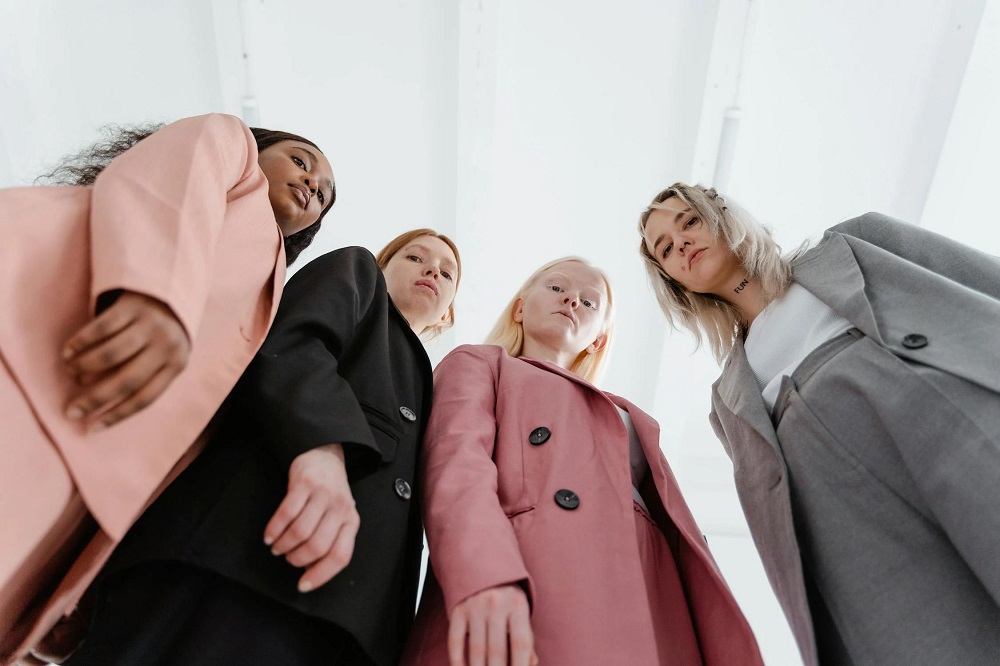

Every morning, millions of people stand before their closets and make a series of calculated decisions. They choose textures, silhouettes, shades, and accessories. While this routine might appear purely utilitarian, it is actually one of the most immediate creative acts a person performs each day. Clothes do far more than shield the body from the elements. They function as a silent language, translating complex inner realities into tangible visual cues.
Fashion has evolved into an accessible medium for personal storytelling. Where clothing once primarily signaled social status, geographic origin, or strict professional roles, it now reflects psychological states, political values, aesthetic tastes, and individual individuality. In an era saturated with visual media and rapid cultural exchange, the way people dress has become an indispensable vehicle for modern self-expression.
The Evolution of Dress as a Personal Language
To grasp the current state of style, one must look at how clothing transformed from a rigid societal mandate into an open-ended playground. Historically, sumptuary laws throughout medieval Europe and imperial Asia dictated precisely what fabrics, colors, and cuts specific social tiers could wear. Royalty kept rich purples and fine furs for themselves, while working classes wore coarse, un-dyed homespun linens. In those eras, dress communicated status rather than individual personality.
The breakdown of strict class structures, accelerated by industrialization and the democratization of garment manufacturing, shifted that dynamic. Clothes became affordable and widely available. Subcultures in the mid-twentieth century, from the zoot suiters and beatniks to mods and punks, seized on garments as tools of rebellion. They realized that modifying common garments could articulate dissent, artistic allegiance, and philosophical resistance.
Today, that trajectory has culminated in a landscape where individual taste overrides top-down edicts. Runway collections no longer hand down unbreakable rules. Instead, they provide raw material that wearers interpret, alter, and integrate into their own unique wardrobes.
Fashion as Nonverbal Communication
Long before a person speaks, their wardrobe has already initiated a conversation. Psychologists describe this phenomenon as nonverbal cueing, in which visual details allow onlookers to form impressions about an individual’s confidence, approachability, and lifestyle within seconds.
-
Conveying Intent and Boundaries: A tailored suit sets a tone of authority and precision, while relaxed linen trousers and worn leather sandals project ease and openness. The choice between these two styles signals how one intends to interact with their immediate environment.
-
Reflecting Emotional States: Mood heavily influences clothing choices. Someone seeking comfort might gravitate toward oversized knits, soft fleece, and muted tones. Conversely, an individual feeling energized or assertive might reach for sharp tailoring, bold primary colors, and dramatic cuts.
-
Navigating Ambiguity: Modern life requires frequent transitions across varied social spaces. Versatile styling allows individuals to navigate these shifts smoothly, projecting professionalism when necessary while preserving hints of personal whimsy through small details like footwear or jewelry.
Garments serve as an interface between the internal self and the external gaze. They give people control over how they present themselves, functioning as everyday armor or as an inviting bridge.
The Psychological Dimension: Enclothed Cognition
Self-expression through clothing does not merely affect outside observers; it deeply influences the wearer’s own mind. Researchers have termed this dynamic enclothed cognition, which studies how the symbolic meaning of garments and the physical sensation of wearing them directly alter psychological processes.
When people wear clothing they associate with competence, their performance on cognitive tasks often sharpens. Putting on a crisp, well-fitting garment can induce a measurable surge in posture, focus, and decision-making clarity. In contrast, wearing loose loungewear can encourage relaxation and lower alertness.
This dynamic proves that self-expression through dress is not superficial vanity. Selecting an outfit is a practical method of emotional self-regulation. People deliberately curate their morning attire to cultivate courage before an important presentation, to find solace after a difficult week, or to summon energy when exhaustion sets in. Clothing becomes a tool for aligning inner intentions with external reality.
Challenging Binaries and Breaking Traditional Norms
Modern fashion is notable for dismantling long-standing cultural divides. As social norms change, the boundaries that traditionally governed personal presentation have become flexible, opening up new avenues for genuine self-expression.
Dissolving Gender Boundaries
The division between womenswear and menswear has grown increasingly porous. Contemporary wearers regularly bypass traditional sizing and tailoring designations, focusing instead on drape, texture, and personal comfort. Men wear pearls, soft silks, and wide-leg trousers, while women embrace relaxed menswear tailoring, utilitarian workwear, and structured streetwear. This fluidity demonstrates how personal identity transcends rigid historical categories.
Blending High and Low Aesthetics
The days of dressing exclusively in head-to-toe formalwear or strictly functional casualwear are gone. Modern style thrives on contrast. Pairing a formal double-breasted blazer with distressed denim and athletic sneakers captures the layered, pragmatic reality of contemporary life. This eclecticism shows that an individual refuses to be defined by a single aesthetic, celebrating variety and personal taste over rigid conformity.
Navigating Digital Identity and Trend Cycles
The explosion of social media platforms has transformed fashion into a fast-moving, continuous performance. Digital environments encourage users to construct and project hyper-curated versions of their lives, with clothing serving as the primary visual component.
-
Micro-Aesthetics: Trends like quiet luxury, cottagecore, coastal grandmother, and dark academia appear, evolve, and fade at breakneck speed. These labels function as shorthand for specific worldviews and creative identities.
-
Algorithmic Uniformity: The pressure to stay relevant can sometimes stifle genuine originality. When fast-moving trends dominate algorithmic feeds, individuals may buy into fleeting looks simply to gain digital approval, resulting in stylistic homogenization.
-
Digital Ownership and Avatars: As virtual spaces expand, fashion is decoupling from physical textiles. Virtual skins, digital garments, and stylized online avatars allow people to experiment with silhouettes and designs that defy physical reality, introducing a new dimension to self-expression.
While digital platforms offer endless creative inspiration, maintaining authentic personal style requires intentionality. The most expressive dressers treat online trends as casual suggestions rather than mandatory guidelines.
Ethical Consumption as Personal Statement
Personal values have become central to how people build their wardrobes. For many, dressing fashionably is no longer just about aesthetics; it reflects an ethical philosophy. Modern consumers understand the ecological and human toll of disposable garments, making their purchasing decisions an active declaration of principle.
Thrifting, vintage curation, textile repair, and investing in durable, transparently produced essentials have evolved into powerful aesthetic movements. Choosing a vintage leather jacket with natural patina or wearing visibly mended denim communicates a commitment to sustainability, craftsmanship, and resourcefulness. This mindset reframes style: true chic is not defined by novelty, but by mindfulness, longevity, and a conscious relationship with the items one wears.
Fashion remains one of the most direct and creative ways to say who you are without speaking a word. By moving past rigid rules, tuning into internal feelings, and balancing trends with personal values, your wardrobe becomes a living canvas for an authentic life.
Frequently Asked Questions
What is the difference between fashion and personal style?
Fashion refers to the broader cultural industry, current commercial trends, and seasonal releases produced by design houses. Personal style, on the other hand, is an individual’s unique curation and interpretation of clothing. Fashion is what you buy, while style is how you wear, adapt, and combine pieces over time to express your identity.
How does clothing help manage social anxiety?
Clothing acts as a psychological buffer. Wearing fabrics that feel comfortable against the skin, alongside silhouettes that an individual feels confident in, can lower physiological stress and reduce self-consciousness. Thoughtfully chosen clothing provides a sense of control and bodily autonomy in crowded or intimidating social environments.
Can minimalist wardrobes still offer strong self-expression?
Yes. Minimalism expresses restraint, deliberate intentionality, and an appreciation for form, proportion, and texture over surface decoration. A small capsule wardrobe built around high-quality neutrals conveys a clear message about practical utility, understated confidence, and a rejection of consumer excess.
Why do subcultures use specific dress codes to signal belonging?
Subcultures adopt shared visual markers to build immediate recognition, solidarity, and community among members while distinguishing themselves from the mainstream. Historical examples include punks utilizing safety pins and leather to signify anti-establishment views, or hip-hop communities popularizing oversized athletic wear to celebrate urban culture and resourcefulness.
How can someone find their aesthetic identity if they feel overwhelmed by trends?
Begin by stepping away from fast-paced trend feeds and focusing on daily comfort and real lifestyle needs. Collect images of outfits that genuinely appeal to you across art, vintage photography, and everyday life. Identify recurring patterns in colors, textures, and silhouettes, then use those foundational elements to build a wardrobe that feels natural to you.
What role do accessories play in visual identity?
Accessories serve as subtle visual anchors that personalize standard or uniform garments. A signature pair of spectacles, an heirloom ring, a rugged belt, or a distinct timepiece can dramatically transform an outfit. They often carry emotional or historical significance, providing intimacy and narrative depth to an otherwise simple ensemble.
Comments are closed.